Learn, play, and grow with Brass lessons for kids, teens, and adults at Pleasant Mountain Music.
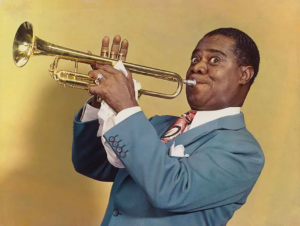
Pleasant Mountain Music is proud to offer brass lessons (including trumpet, trombone, French Horn, Euphonium, Baritone, and Tuba) lessons in Vancouver for all ages and experience levels. Whether you’ve just been assigned your first instrument in band class, finally learning that beloved jazz solo, or you’re returning to play after a long break, we’ll meet you wherever you are at. Our instructors help you build excellent foundational skills while keeping lessons fun and encouraging.
About Brass Instruments
- Ideal for: folks ages 10 and up as the instruments are kind of heavy and they don’t come in smaller sizes unlike guitar/violin
- What is a Brass Instrument? It’s powered by wind…as in the player blows through a mouthpiece which is transported through the instrument and out the bell, making sound. The Brass Family of instruments includes (but is not limited to): Trumpet, Cornet, Flugelhorn, Trombone, French Horn, Baritone, Euphonium, and Tuba.
- Note: The Tuba in particular is an ENORMOUS instrument. Younger students, and people who are generally compact in size, are encouraged to start with baritone/euphonium as they are both smaller and easier to hold compared to tuba.
- Great because: brass instruments add warmth and character to the concert band. Trumpet and trombones give punchy solos to jazz bands, and learning to play a single line of melody gives the player a sense of accomplishment
- Lesson options: In person lessons at our Granville Street studio
- Common styles: But the whole brass family has been a part of large music ensembles since the 1500s including concert bands, symphony orchestras, military bands, and especially in North America, marching bands. More modern settings for the brass instrument family include music for film and television, jazz, swing, meringue, salsa, ska, reggae, R&B, New Orleans brass bands, and afro-cuban music groups
- Space/noise needs: Brass instruments are loud. There’s no way around that. Despite being unamplified they are designed to carry a long distance. THANKFULLY all brass instruments can be fitted with a practice mute. So while you’ll still likely want to pick slightly more sociable hours than 4am to practice at home, a practice mute will go a tremendously long way to keeping the piece with your neighbours. Apart from that, most brass instruments will come with a carrying case which can fit in the closet or under the bed. Except maybe the euphonium and/or tuba…those two might need to have a dedicated corner to live in
What This Instrument Is Like (background + where you hear it)
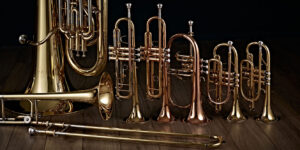
The brass family of instruments is known for playing a variety of roles depending on whether you’re playing a high brass or a low brass instrument. High brass instruments include piccolo trumpet, trumpet, cornet, flugelhorn, and even the trombone and French horn if your chops are strong enough. These instruments have higher pitched tones which make them great at carrying the melodic line, taking solos, and adding hunting or courtly ambiance to an orchestral work. Meanwhile over in the low brass family you’ll find the trombone, French Horn, Euphonium, Baritone, and Tuba. These instruments hold down the low end of the orchestra or band, kind of like an unplugged/analogue version of an electric bass guitar.
For younger students, trumpets and French horns may be easier to start off with since their mouthpieces aren’t much larger than the students’ actual mouth, and they are also generally lighter in weight and easier to hold (again physically) compared to the larger low brass instruments. Most students find their way to a member of the brass family like trumpet, trombone, or euphonium after the age of 10. Adults can pick up one of these instruments any time. The biggest hurdle to playing brass instruments is building your embouchure strength. Embouchure is the word given to all the muscles around the mouth and cheeks which must activate to effectively play the mouthpiece. You’re face, in this very specific context, is a small-muscle athlete…so it can take a few weeks before you’re able to play for more than a couple of minutes in a row without getting tired. This is normal, and it will improve over time and with regular practice.
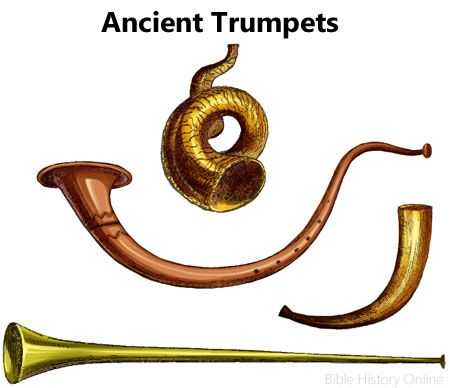
The trumpet, or bugle (before the invention of valves) has been around for a very long time…since the first human picked up a conch shell and though “what if I blew into this…?” people have been finding ways to make sounds with just their lung power. From horns to forged metals, and combos of materials, the instruments of the brass family that we know today, have developed over hundreds of years, through trial and error, deliberate improvements, and probably even a few happy accidents.
And one final note, in the modern age, the name “brass instrument” doesn’t strictly mean “an instrument made out of brass material”. It means the method by which you play it…in this case, with a mouthpiece, embouchure, air flow, and lip tension etc…this is because many instruments are made of brass, including saxophones (a woodwind instrument) and also trumpets and trombones also can be made out of hard plastics!
Getting Started & Instrument Costs
You don’t need the “perfect” setup to start, just something that fits your budget and your space. The best option for beginner brass players is a used instrument. They are generally well made instruments, so getting one second hand will be of little detriment to sound quality or playability. The first couple of years of playing can be done on a student model or a used professional model.
What you’ll need for your first lessons:
- Instrument type/size: Student model brass instruments from brands like Jupiter, Yamaha, and Mendini are widely available and can be purchased outright, rented, or rent-to-owned. Used brass instruments can be found fairly easily through local Marketplace posts or classified ads.
- Basic accessories: a tuner, a practice mute, a music stand, and an instrument stand
- Practice space: definitely dedicate a space to brass instrument practice. Or plan to do the weekly vacuuming simultaneously to the brass instrument practice time. The practice mute will make a big difference to the overall output of sound though. And other than just generally being loud, the space required to practice is minimal. A chair, a light, and a music stand is sufficient.
Typical starter investment:
- Entry-level / rental: Student model rentals start from about $40/month. Rent-to-own schemes vary but oftentimes more than 50% of the rental amount will be put towards the cost of buying the instrument outright. It’s probably a good idea to rent your first brass instrument, especially if it’s a student model. That way when you know for sure it’s the instrument you want to pursue in a performance setting you can splurge on a slightly nicer make/model.
- Professional-level instruments: a brand new silver-plated professional grade trumpet will go for about $2,500-$4,500. Trombones a little more than that. French horns and Euphoniums will set you back closer to $3,500-$6,000. What’s important to remember is that a lot of these brass instruments still have a human-component in the manufacturing process. So unlike a guitar which can be turned over pretty quickly from concept to on-display-in-a-store, brass instruments don’t turn-around quite so fast, and also may contain straight-up expensive materials (like silver plating). The good news is, a professional brass instrument is still a professional-grade brass instrument, even if it’s used. So we recommend going the second-hand route, if you can spare the time it takes to find the right horn.
We’re always happy to recommend brands, local shops, or rental options so you don’t overspend or buy something that will hold you back.
How Lessons Work: Learn / Love / Live to Play
Learn to Play – Solid foundations
In our Learn to Play stream, we focus on building reliable technique and musicianship. In our Learn to Play stream, we focus on building reliable technique and musicianship. Nearly every student will fall under this category at some point in their music journey. Learn to Play at Pleasant Mountain Music means our instructors help set you up for success to play music as a solo artist, or as a part of a band! In lessons with PMM you’ll work on:
- Technique – posture, and how to hold the instrument. Breath exercises, range and endurance, as well as scales and overtone series as applicable
- Reading – reading notation is a component of playing brass instruments, but since there’s only 1-line of melody or bass to learn, the process doesn’t take too long to master
- Repertoire – the options for brass repertoire are very expansive. The most common repertoire choices for the beginner brass player will include Jazz, Marches, Waltzes, Classical music, Funk, Ragtime, Afro-Cuban beats, and Rock.
- Optional exams – Traditional examinations are available for brass instruments so for those who enjoy the feeling of accomplishment that goes along with unlocking levels exams may be for you. Otherwise folks who play a brass instrument will find themselves performing in a Festival-type atmosphere like the Kiwanis International Music Festival, or at our PMM Recitals to gain their performance stripes.
The Learn To Play stream is great for students who like structure, clear milestones, and/or who want to start or join a band, participate in school band class or ensembles, or pursue post-secondary programs.
Love to Play – Play for joy
In our Love to Play stream, we design lessons around where and why you actually want to play. That might include:
- Learning specifically your favourite song or style
- Playing along with backing tracks or jamming with friends
- Prepping for your annual ‘we’re getting the band back together’ jam session or show
- Providing you theory, as needed, to support your goals
- Offering you low-pressure performance opportunities (only if you want them)
The Love to Play stream is perfect for students who want music as a creative outlet without the pressure of exams, competitions, or too many public performances.
Live to Play – Preparing for the professional path
For students ready to take things further, our Live to Play stream of study helps you move from “pretty good” to “gig-ready”. Live to Play students will master:
- Advanced technique and repertoire
- Audition and performance preparation
- Studio and session-recording skills (including actual studio experience)
- Arranging, soloing and/or improvisation (as relevant)
- Career guidance on next steps including: auditions, gigging/touring band life, recording, post-secondary studies, teaching brass instruments, and more.
Hear It in the Wild: Stars & Songs
Artists who put the brass family of instruments into the spotlight
- Louis Armstrong is credited as having propelled the trumpet’s popularity since he played it so well, and favoured it over it’s sibling instrument the cornet. Here he is playing trumpet with another legendary jazzman of the age, Dizzy Gillespie
- New Orleans Jazz and Brass Bands
- Canadian Brass
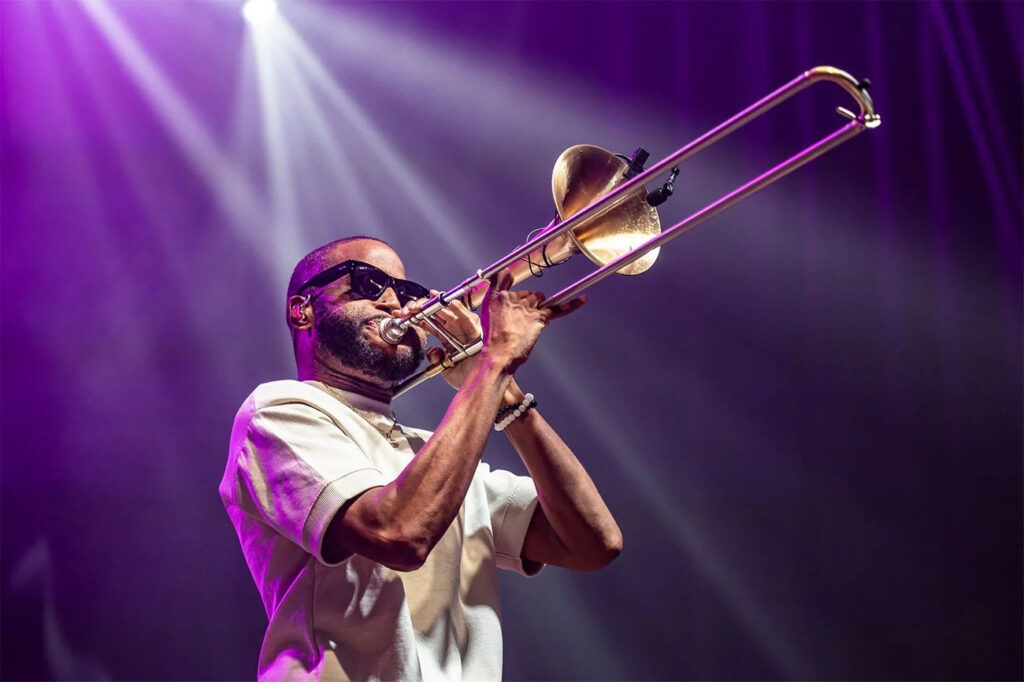
- While many folks may think of “sad trombone” as the only example of what the instrument sounds like, we’re pleased to replace that one tiny fragment with the incredible talents of Trombone Shorty
Songs WHERE EACH BRASS INSTRUMENT really shines
- Piccolo Trumpet made famous by David Mason, or rather, made famous by The Beatles who asked David Mason to play it on their 1967 hit Penny Lane
- Trumpet – as played by master trumpeter Arturo Sandoval, performing A Night in Tunisia with an incredible 6 octave ending
- Trumpet – featured in Mariachi Music
- Flugelhorn – featured in Feels so Good played by Chuck Mangione and his band
- French Horn – has a beautiful solo in John Williams’ Binary Sunset from Star Wars: A New Hope
- Tuba – the jingle for A & W’s Rootbeer ad campaign starting in 1975
- Brass family instruments are often included in Cuban music as illustrated so expertly by the Buena Vista Social Club
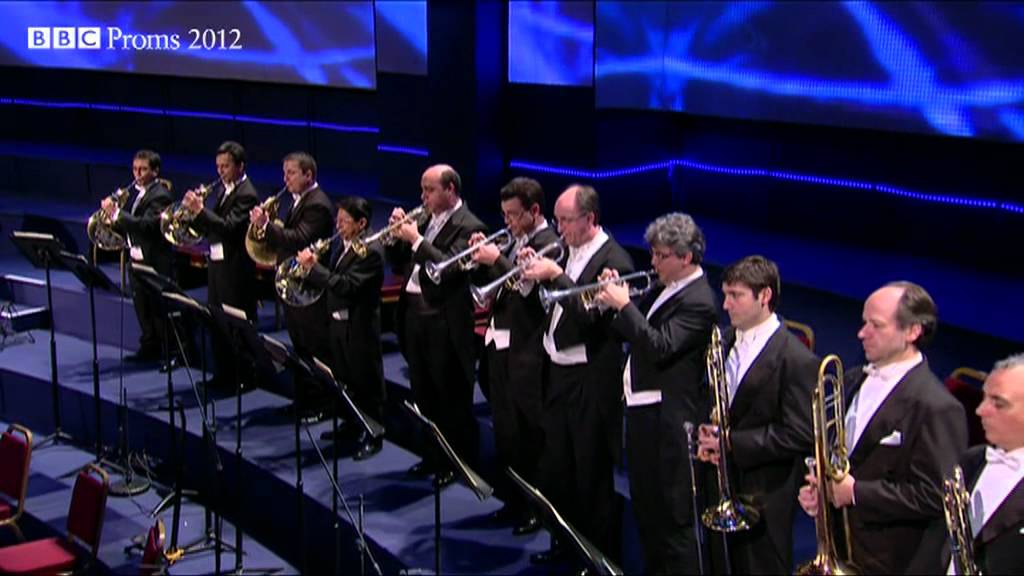
- The Entire Brass Family – as beautifully orchestrated in this majestic piece by Aaron Copeland (featured in subsequent years in the rock and roll hit of the same name by the band Emerson, Lake and Palmer)
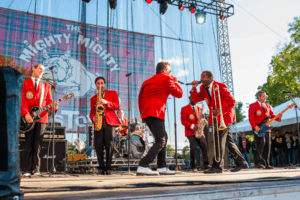
- Third Wave Ska (well all the waves really) but ESPECIALLY third wave ska makes use of the brass family, chiefly trumpet and trombone. There were way too many early 2000s tunes to choose from, so we’re gonna use The Mighty Mighty BossTones The Impression that I get (but also Surfin’ in Tofino by the Planet Smashers)
These are fun reference points you can explore at home, and great inspiration for setting lesson goals and jumping off points for your own unique music journey.
Meet Your BRASS Instructors
Sarah Jay Cawston
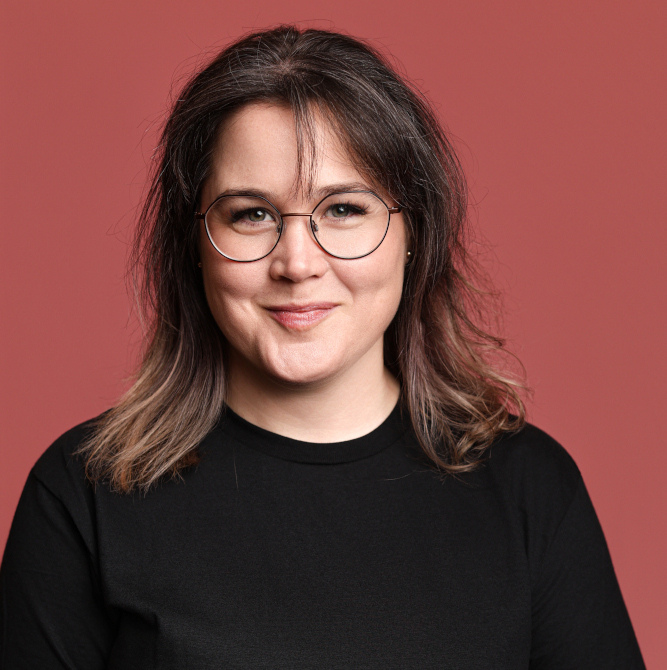
Instruments: Piano, Trumpet, Beginner Low Brass
Sarah HAS LIMITED SPOTS REMAINING
Teacher Sarah is a multi-instrumentalist, who began her musical journey on piano and trumpet at age of 11. Students of any age looking for their very first exposure to one-on-one music lessons are welcome to start out with Sarah. Sarah is a great lover of music, and hopes to instill a sense of commitment to and enjoyment during lessons as well as encourage self-expression in her students.
Eden Nerada
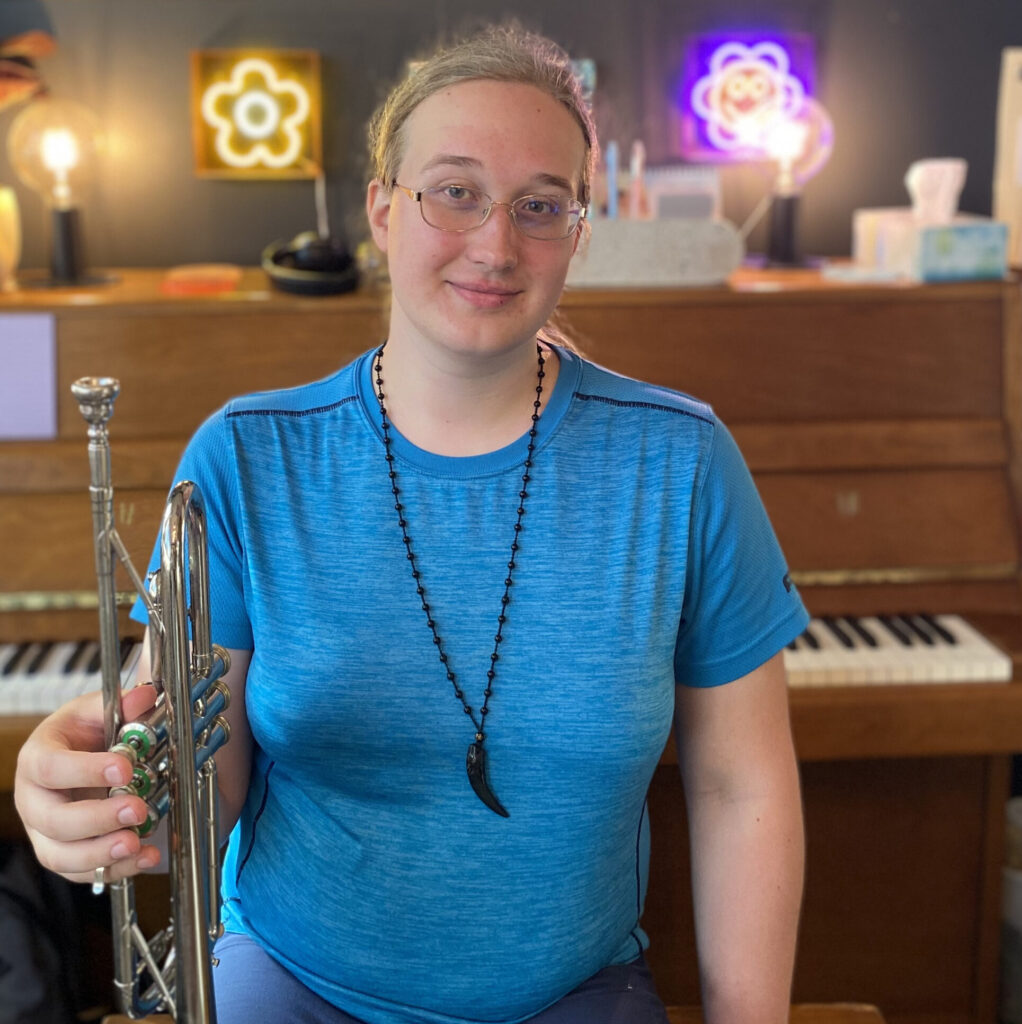
Instruments: Trumpet, Tuba, Trombone, Euphonium, Flugelhorn, Classical Guitar, Voice
Eden is a seasoned performer, avid composer, and experienced teacher. With a decade of musical experience and 5 years of teaching she is an exceptional and adaptive teacher who will meet you where you’re at and help you elevate yourself and excel meeting and pushing past goals set.
John Doiar
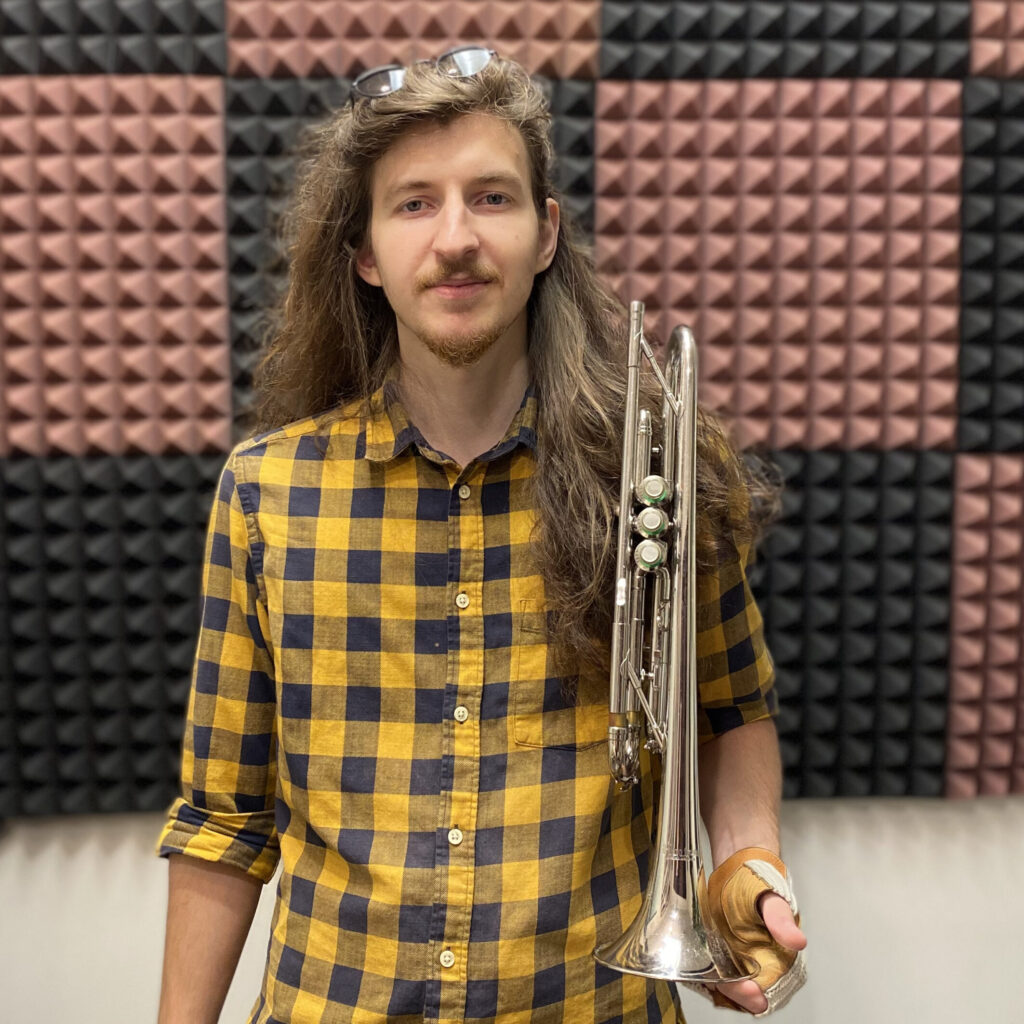
Instruments: Trumpet, Trombone, French Horn, Tuba, Beginner Drums, Beginner Percussion
John has 8 years of music school under his belt which includes 4 years of musical college and a 4 year bachelor degree from an international music institution. As a teacher, John is patient, calm, and student-oriented. He is flexible in his approach to helping his students learn and retain concepts. John’s favourite music genres is Jazz, especially Hard Bop and experimental, as well as Hip-Hop, Punk, Rock and Metal.
Sign up now!
Embark on your journey today!
Excited to start? Book your first lesson in our easy online calendar with just a few clicks —getting started is simpler than you think!
Not sure where to start? Let’s chat about your goals and the best fit. We’d love to help!