Learn, play, and grow with Piano lessons for kids, teens, and adults at Pleasant Mountain Music.
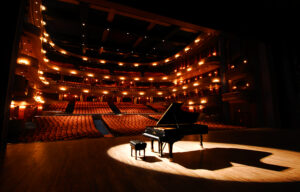
Pleasant Mountain Music is proud to offer piano lessons in Vancouver for all ages and experience levels. Whether you’re just learning middle C, tackling your next sonata, or returning after a long break, we’ll meet you wherever you are at. Our instructors help you build excellent foundational skills while keeping lessons fun, progressive, and encouraging.
About Piano
- Ideal for: all ages of people including young beginners (ages 4-6), people who don’t know where to start their music journey and for anyone who already has previous playing experience on a different instrument but would like to branch out into songwriting and arrangement/orchestration
- Great because: you can legit be a one person band when playing the piano making it an easy solo act to get into. It’s also a fantastic part of any music group, including rock or pop bands, and more traditional ensembles like orchestras, or jazz bands
- Lesson options: We offer in person lessons on acoustic and digital pianos at our Granville Street studio. Remote or ‘online’ lessons are possible depending on your set up at home. We also have 2 traveling teachers who will come to you to teach piano at your home!
- Common styles: Piano is a very versatile instrument. You’ll hear it in video game music, film and television, more traditional genres such as Baroque, Classical, Romantic, Impressionist, as well as jazz, ragtime, and musical theatre.
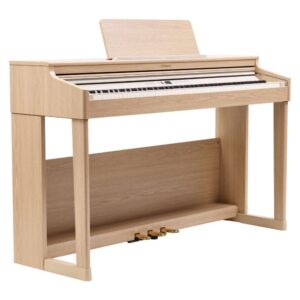
- Space/noise needs: Acoustic pianos come in a few sizes, apartment size, upright, baby grand, and full grand piano. Obviously, the footprint in a room increases dramatically with each configuration. Fortunately, condo-friendly digital pianos from major manufacturers like Roland and Yamaha allow for music making in the home without the dynamic resonance of an acoustic piano or space needs. Digital pianos also allow for headphone practice which makes the auditory impact of home practice virtually zero.
What This Instrument Is Like (background + where you hear it)
The piano is widely employed in classical, jazz, traditional and popular music for solo and ensemble performances, accompaniment, as well as for for composing, songwriting and rehearsals (such as for ballet, musical theatre, and improv theatre groups for example). It functions both as an all-in-one music maker because it has low bass notes and melodic high notes, while also being a great addition to the rhythm section of a larger band or orchestra. It also demonstrates musical virtuosity with the capacity to dazzle audiences through incredible feats of musicianship in the hands of a trained performer.
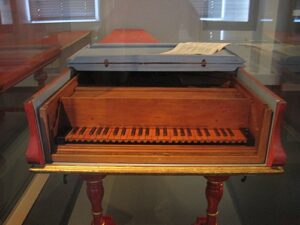
Interestingly, the history of the piano dates back to keyboard instruments of the medieval period of Europe. Church organs, for example, were commanded by a keyboard that, upon pressing, would activate a pipe which would release a sound to be heard. Over time, instrument makers got creative as performers also demanded more of their instruments. A whole family of keyboard instruments came to life: harpsichords, virginals, celestes, accordions, the fortepiano, and the pianoforte. Each came with their own charm and idiosyncrasies. The piano that we know today is actually the product of many years of input and development.
A recent development in piano technology is the reintroduction of the small scale piano! The Athena-brand digital piano uses a 5.5 inch octave, instead of the standard 6.5 inch octave. This allows less strain on the hands of a developing pianist or small-handed human! Learn More about the Small Scale Piano at PMM
Getting Started & Instrument Costs
You don’t need the “perfect” setup to start, just something that fits your budget and your space. Since acoustic pianos are notorious for their hefty weight and overall square footage consumption, guaranteed you’ll find at least 3 absolutely free acoustic pianos on your local classified ads or Marketplace listings right now. So help yourself if you have the space to dedicate to one!
If you don’t, that’s no problem either, a digital piano works too. Here are some basic points to set you up for success as you embark on your piano journey:
- Acoustic Pianos: Apartment sized pianos are freely available on most digital classified ad sites. Ideally, the keys will all function correctly (no broken strings or cracked keys) and the piano is reasonably in tune. Moving costs for a piano range from $150-$500 depending on how far away the piano is, and how many stairs the movers will need to navigate as part of the pickup and delivery process. Tuning can range from $90-$250.
- Digital Pianos: You will want to obtain a digital piano with weighted keys. That means the keys have some resistance when played. The instrument should also have touch-sensitivity. When turned on, you can check the touch sensitivity by striking any key of your choosing quickly (with a lot of velocity) and then trying again but striking the key very slowly (with little velocity). If you hear zero difference at all, there may not be touch sensitivity programmed into the instrument OR the touch sensitivity is switched off (meaning you’ll want to check the owners manual or ask the sales associate, for how to switch it back on again).
- Basic accessories: a solid beginner set up will include the piano, a bench, a sustain pedal, a music stand (sometimes this comes included with the digital piano) and a keyboard stand (C shape or built into the design of the digital piano).
- Practice space: It is sub-optimal to use your kitchen table as the stand for your piano. Plus there’s a good chance the table will be in use for eating! A dedicated space to playing will help make practice more appealing, so it’s recommended to have a quiet corner, or perhaps a bedroom where the piano can live, and be practiced on.
Typical starter investment:
- Entry-level / rental: approx $100-$250/month to rent a new or used mid-range digital piano. A used digital piano can cost anywhere from $500-$2000 to purchase outright, depending on the brand and make/model and how recent the instrument is (like a lot of technology, digital pianos loose their value after enough years go buy because of technological developments). New Digital pianos can cost $1,000-$6,000.
- Acoustic pianos: Price tag for new is $5,000-$15,000 depending on the brand. Rent-to-own options are available at larger retail stores such as Showcase Pianos, or Tom Lee Instruments.
- Step-up instrument (after a few years): For exam-oriented students, a digital piano should be replaced with an acoustic piano eventually. But apart from that, the first keyboard or piano you purchase can sometimes be the only one you ever need.
We’re always happy to recommend brands, local shops, or rental options so you don’t overspend or buy something that isn’t a great fit for where you’re at in your music journey.
How Lessons Work: Learn / Love / Live to Play
Learn to Play – Solid foundations
In our Learn to Play stream, we focus on building reliable technique and musicianship. You’ll work on:
- Technique – hand shape, posture, gesture, scales, chords, time signatures, rhythm, and tempo
- Reading notation – Sheet music is a core part of traditional piano methodology, so some basic understanding is incredibly helpful to build independent learning
- Ear Training and Sight-Reading – other musicianship elements are introduced over time, such as listening for intervals and major or minor sounds, as well as ability to read sheet music effectively, on the first try
- Theory – Since reading sheet music is commonplace, basic theory is often mixed into lessons, even early on. Most method books, and any teacher worth their salt, however, will absolutely do their best to make the theory components fun, and easy to follow
- Repertoire – There’s so much to choose from when learning the piano: cool jazz shuffles, epic Romantic-period etudes, incredibly intricate fugues, toe-tappin ragtime rags, as well as more contemporary genres than you could shake a fist at (film and television scores, pop music, rock and roll, and video game sound tracks)
This stream is great for students who like structure, clear milestones, and/or who want to pursue exams, school band, or eventually register for post-secondary music programs.
Love to Play – Play for joy
In our Love to Play stream, we design lessons around where and why you actually want to play. That might include:
- Learning specifically your favourite song or style
- Self-accompanying while singing
- Acquiring both piano, and general music, appreciation skills
- Prepping for your annual ‘we’re getting the band back together’ jam session or show
- Providing you basic theory “as needed” to support your goals
- Offering you low-pressure performance opportunities (only if you want them)
- Songwriting
The Love to Play stream is perfect for students who want music as a creative outlet without the pressure of exams, competitions, or public performances.
Live to Play – Preparing for the professional path
For students ready to take things further, our Live to Play stream of study helps you move from “pretty good” to “gig-ready”. Live to Play students will master:
- Advanced technique and repertoire
- Audition and performance preparation
- Concert piano training and/or solo and improvisation training
- Studio and session-recording skills (including actual studio experience)
- Songwriting, arranging, or improvisation (if relevant)
- Career guidance on next steps including: auditions, gigging/touring band life, recording, post-secondary studies, teaching the piano, and more.
Hear It in the Wild: Stars & Songs
Artists who put the piano in the spotlight
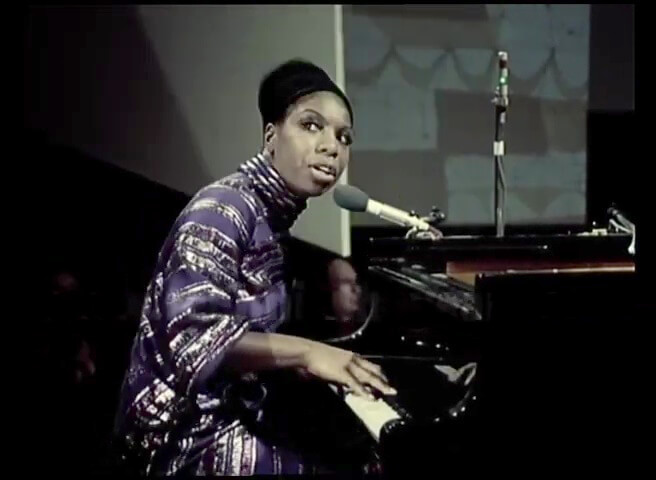
- Love me or Leave me – Nina Simone. Singer, piano player and pioneer of bridging the divide between strict classical piano and 20th century jazz and blues
- Tiny Dancer – by Elton John. while this particular piece is a beautiful ballad, Elton John was no shrinking violet: he perfectly matched his traditional piano skill-set with the flamboyant theatrics of rock and roll music, all the while displaying fantastic showmanship and panache
- Beethoven’s Piano Sonata No.8 in C minor, Op.13 (“Pathétique”) Hiromi and the Trio Project performing an iconic piece in which she seamlessly meshes old-world classical precision with incredible modern jazz virtuosity
- A Thousand Miles – Vanessa Carlton, single-handedly giving us all a memorable pop piano lick that launched her career and a song to remember the year 2002 by
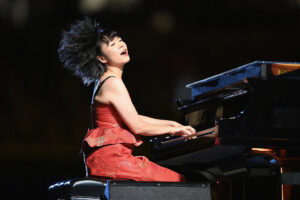
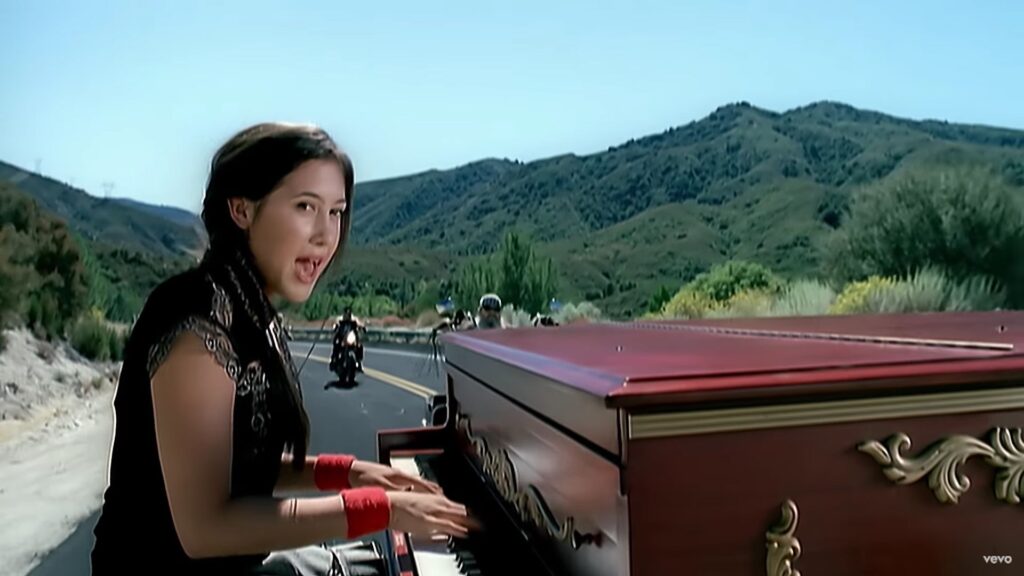
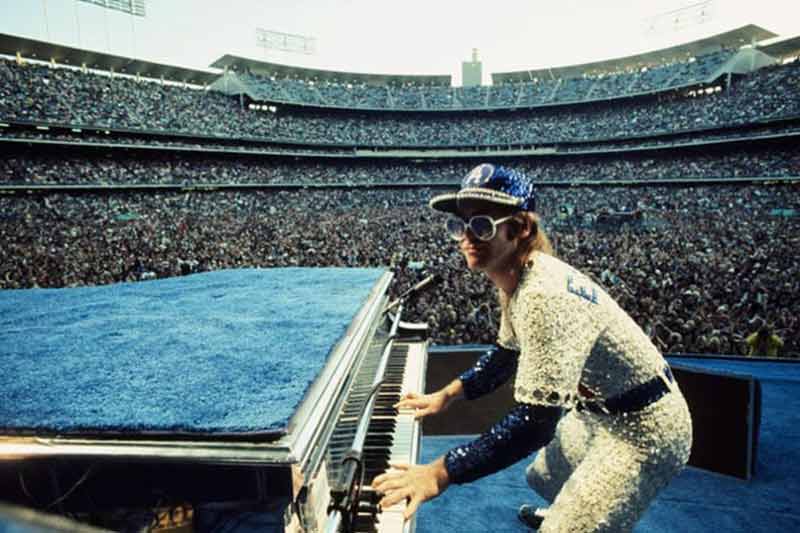
Songs where the piano really shines
- Baroque era (1650-1750) counterpoint and polyphony “Prelude & Fugue No. 22 in B-Flat Minor, BWV 891 – WTC II” by Johann Sebastian Bach, as performed by celebrated Bach interpreter and Canadian performer Glenn Gould
- Literally any Ludwig van Beethoven Piano Sonata – most famous of which are “Moonlight” and “Pathétique”
- “Revolutionary Etude” by Frédéric Chopin…you’ll understand when you hear it
- “Prelude in G Minor, Op. 23, No. 5” by Sergei Rachmaninoff as performed by piano sensation Yuja Wang
- “Claire de Lune” by Claude Debussy as performed by living piano legend Lang Lang
- “Maple Leaf Rag” by Scott Joplin, as performed by contemporary piano player and internet sensation Vinheteiro
These are fun reference points you can explore at home, and great inspiration for setting lesson goals and jumping off points for your own unique music journey.
Meet Your Piano Instructors
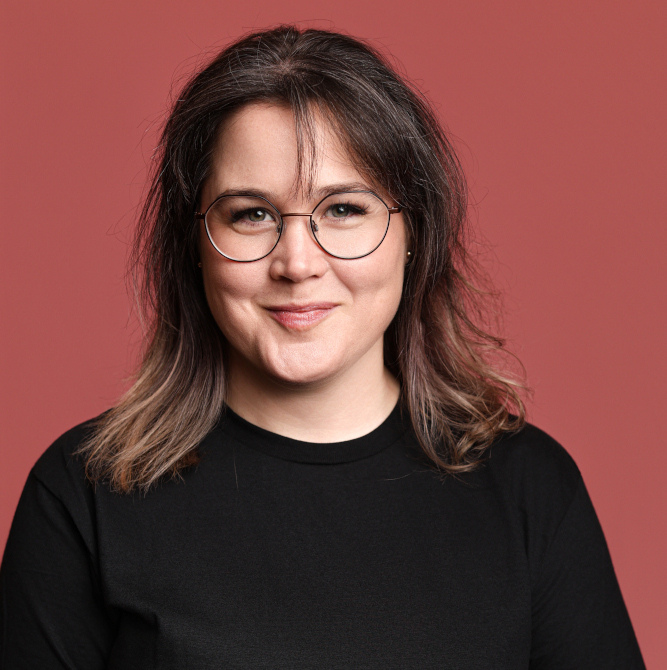
Sarah Jay Cawston
Instruments: Piano, Trumpet, Beginner Low Brass
Sarah HAS LIMITED SPOTS REMAINING
Teacher Sarah is a multi-instrumentalist, who began her musical journey on piano and trumpet at age of 11. Students of any age looking for their very first exposure to one-on-one music lessons are welcome to start out with Sarah. Sarah is a great lover of music, and hopes to instill a sense of commitment to and enjoyment during lessons as well as encourage self-expression in her students.
Anxhela Janaqi
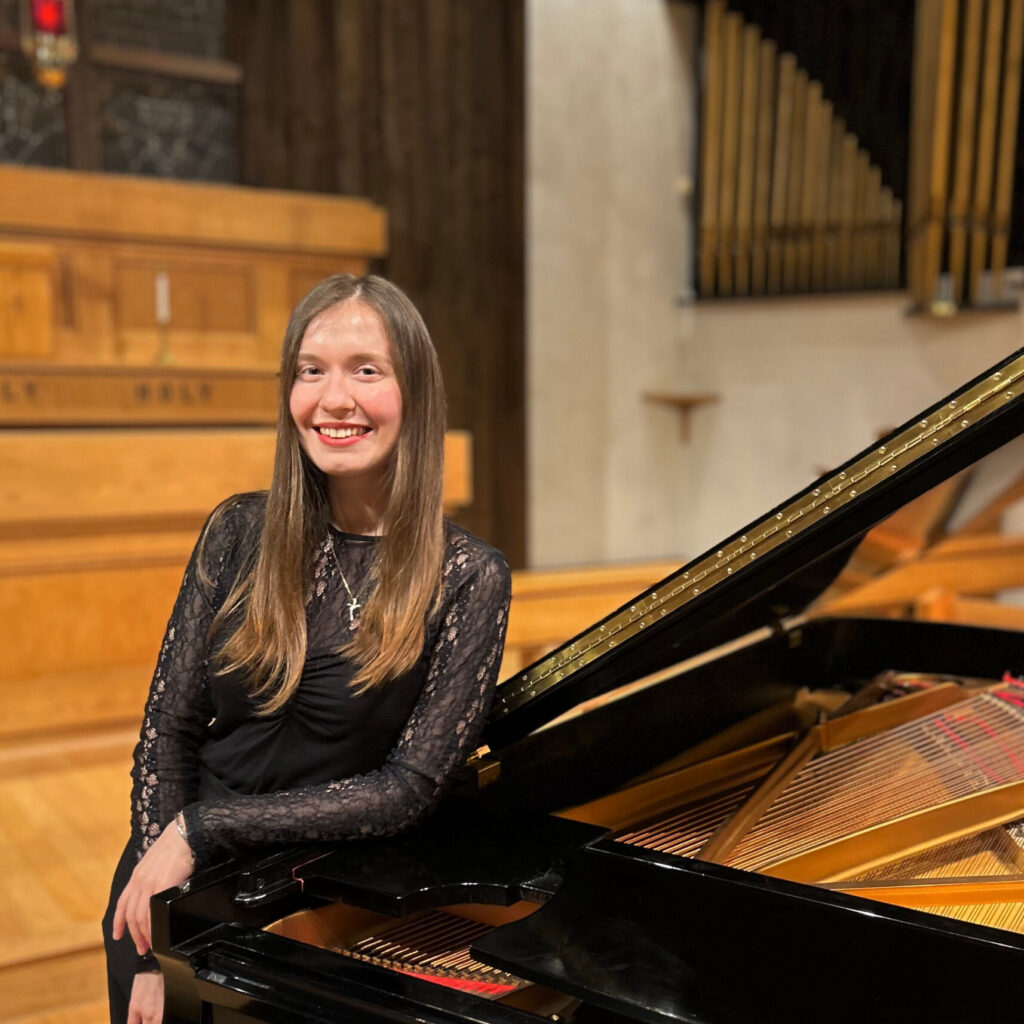
Instruments: Piano, Harmony, History, Theory
Anxhela Janaqi is a passionate and experienced piano teacher with a strong commitment to fostering a love of music in her students. Anxhela has over seven years of experience teaching children, adolescents, adults, and university students. She has taught in three different countries, performed in several venues, and collaborated with professionals and students. With her supportive learning environment, her students thrive in RCM exams, festivals, and competitions.
Adrianna La Chimea
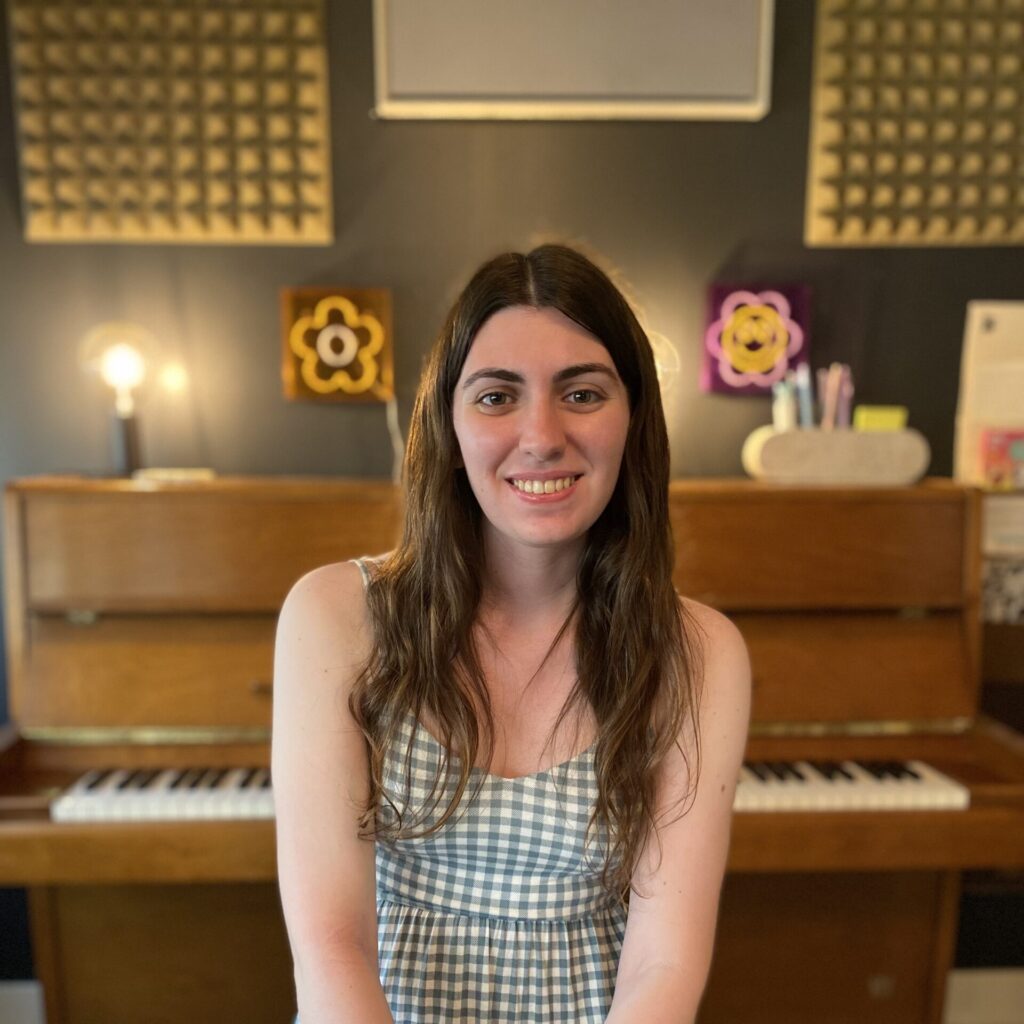
Instruments: Piano, Harmony, History, Theory, Beginner Ukulele
Adrianna La Chimea is a Vancouver-based pianist with 17 years of experience playing classical piano including 5 years of jazz/pop piano. Recently, she received her Bachelor of Applied Music from VCC and completed the Music Diploma program back in 2023. She welcomes beginner, intermediate, and advanced piano students in either Classical or Jazz piano into her classroom.
Adrianna is our travelling teacher, and makes weekly in-home visits on Tuesdays and Wednesdays.
Kelsey Luo
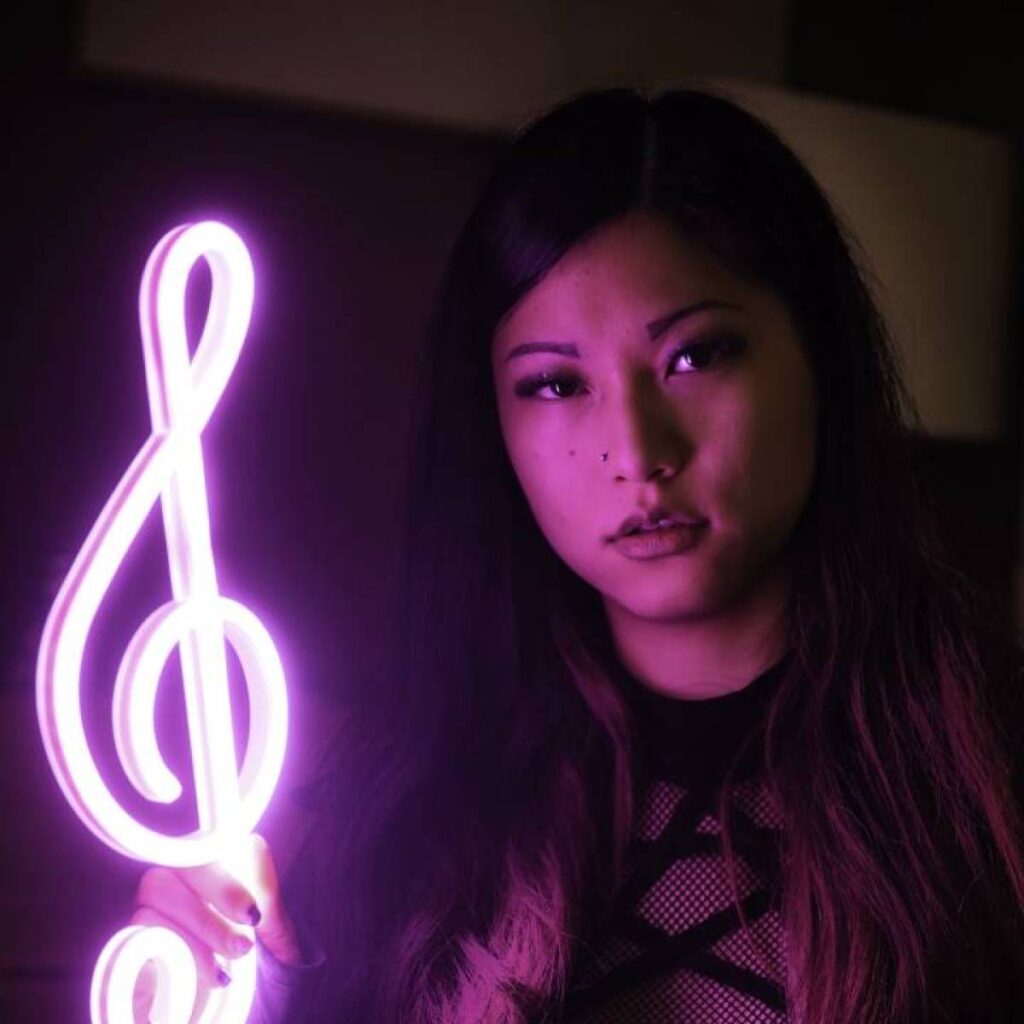
Instruments: Voice, Extreme/Unclean Vocals, Piano, Songwriting, Theory
KELSEY HAS LIMITED SPOTS REMAINING
Kelsey Luo is a passionate modern rock/metal musician, music instructor and session vocalist, with a unique skill set of extreme vocals (metal screams). She is passionate about seeing the growth within her students from when they start their first lesson, to the progress they make throughout their music journey. She works with beginner to advanced students of any age.
She can teach in both English and Mandarin.
Marco Walraven
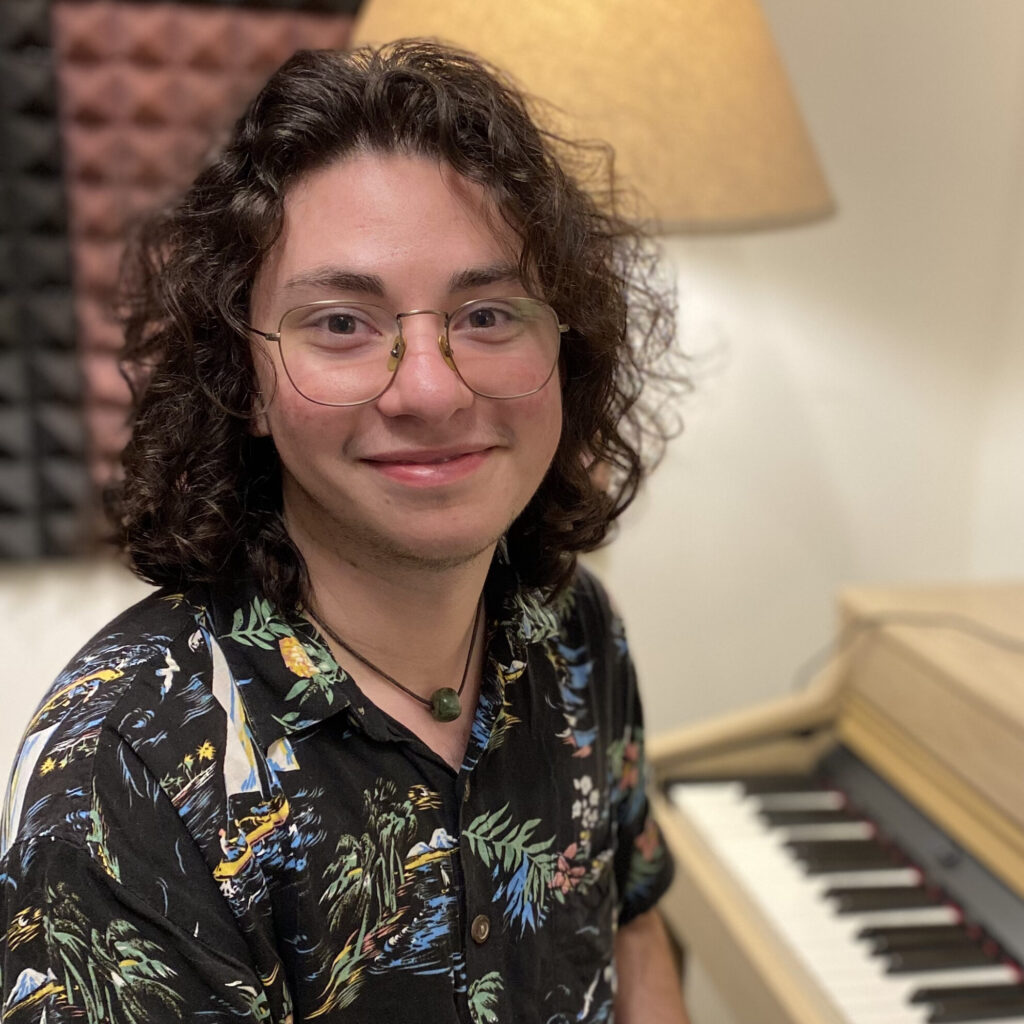
Instruments: Voice, Piano, Guitar, Bass Guitar, Ukulele, Composition, Songwriting, Jazz Theory
Marco Walraven Diaz De Leon, is a multi instrumentalist currently finishing up a Bachelors of Applied Music at VCC majoring in Voice and minoring in piano and songwriting.
Marco teaches voice, piano, guitar, ukulele, and songwriting. Students of any age, from beginner to intermediate skill set are invited to join Marco to commence their music journey.
He can teach in both English and Spanish.
Joy Yin
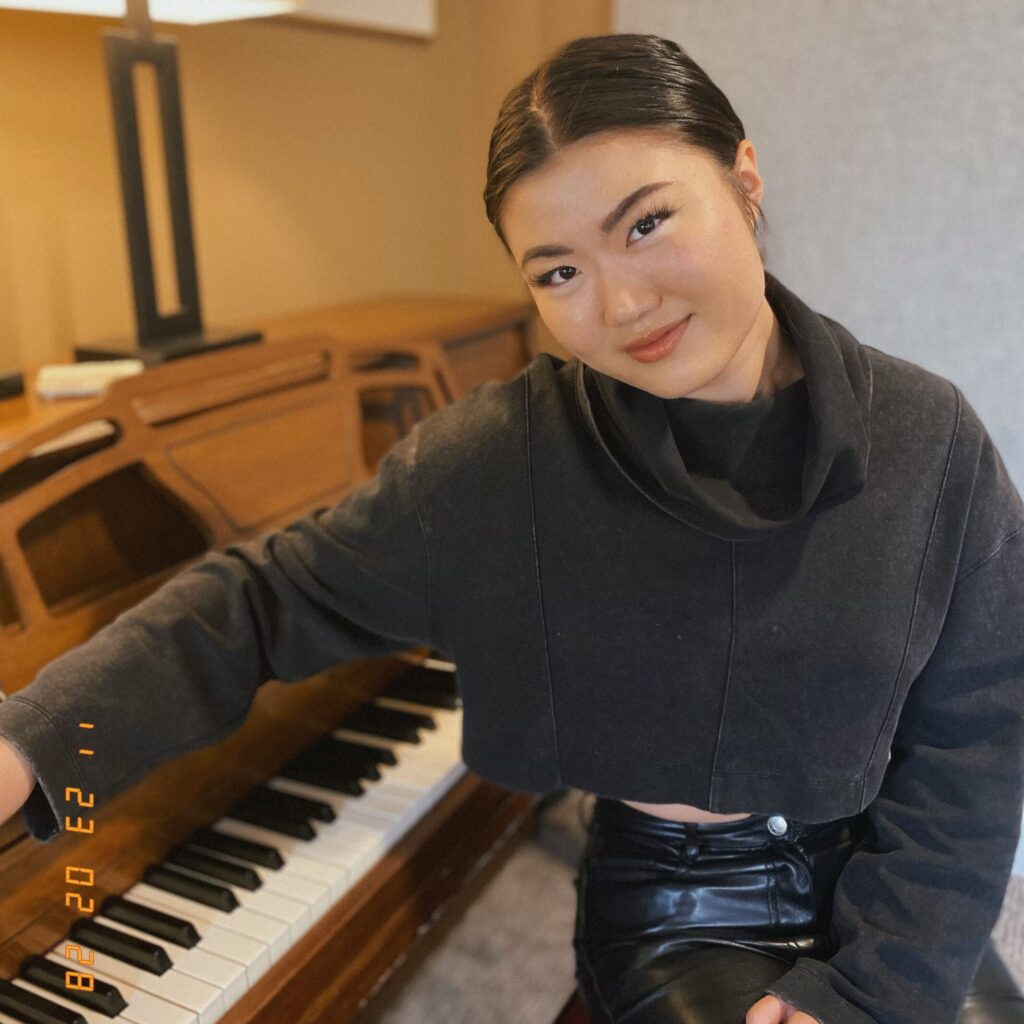
Instruments: Piano, Clarinet, Harmony
Joy Yin is a musician, artist, and free-soul in life. She has an unique approach to teaching that helps her students fall in love with creation, not only in music, but also in art and life. Having a film background enables her to bring acting techniques into teaching and playing; it’s not just musical notes her students are playing, but a story they’re telling.
Lessons with Joy are remote ONLY
Sign Up Now!
Embark on your journey today!
Excited to start? Book your first lesson in our easy online calendar with just a few clicks —getting started is simpler than you think!
Not sure where to start? Let’s chat about your goals and the best fit. We’d love to help!
.